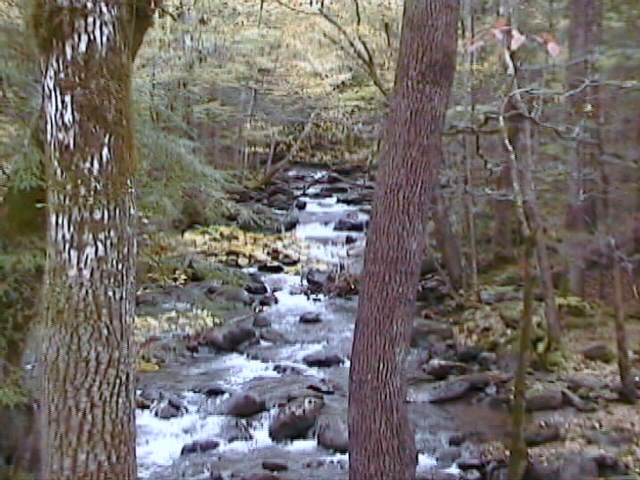
Pigeon River headwaters has a
little of every type of water
conceivable for a freestone stream
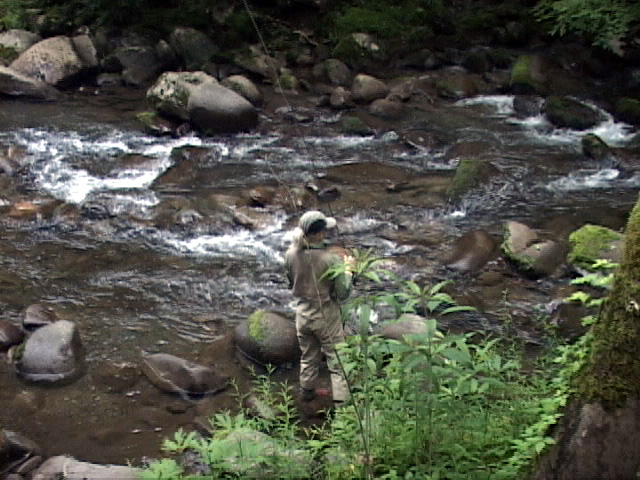
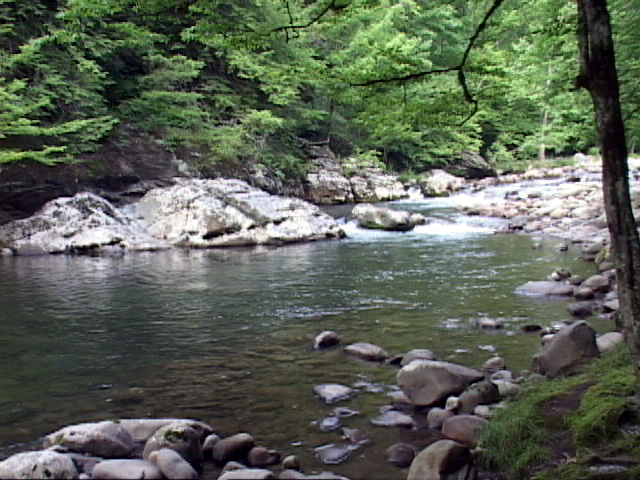
Porters Creek is one of the picture
perfect streams in the park. It
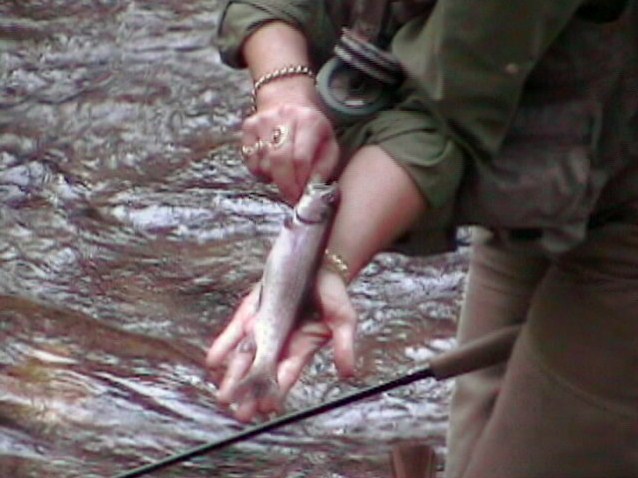
appears to holds some big rainbow
trout but catching a few doesn’t
mean that’s a fact.
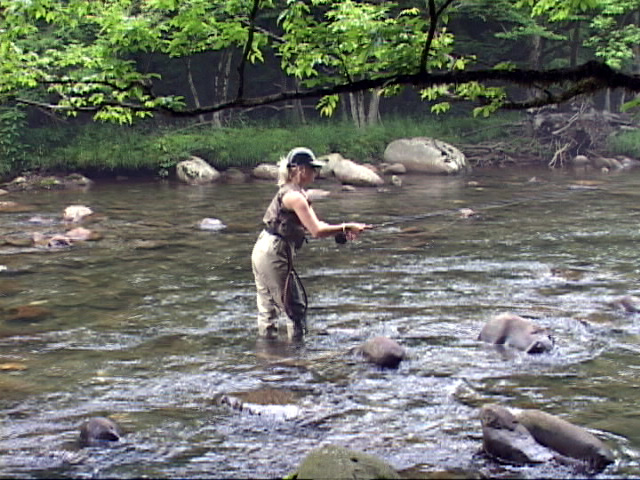
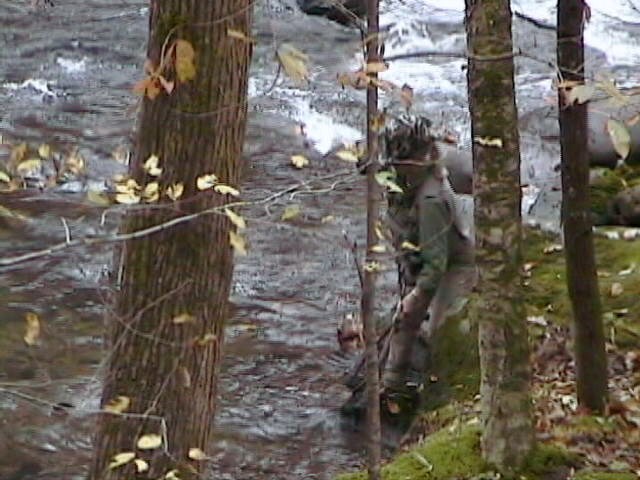
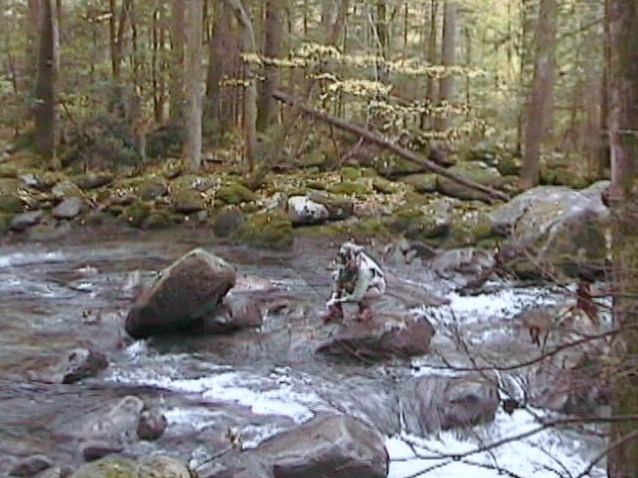
the small streams of the Smokies.
It’s necessary in many places
because casting from the banks
is next to impossible.
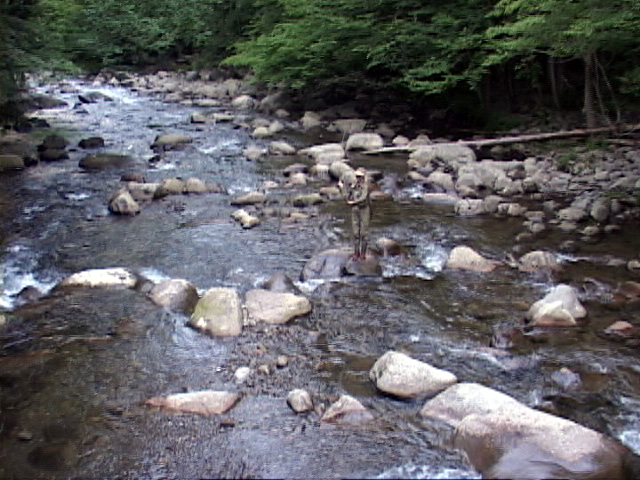
in the elevation of the river in this
image.
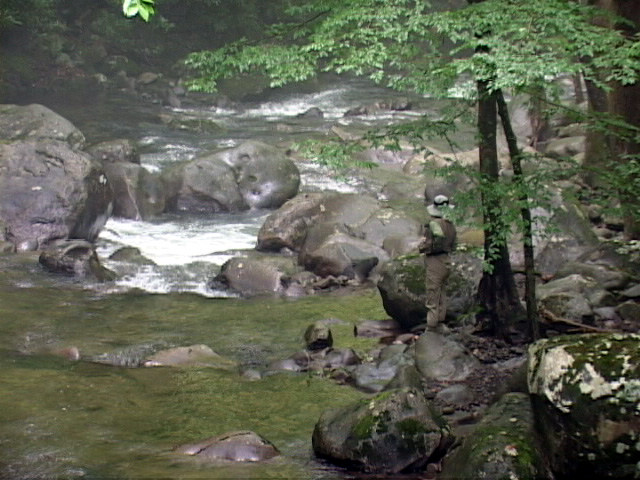
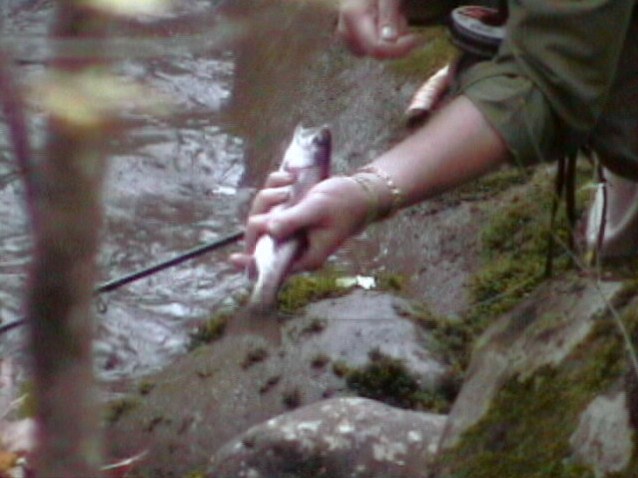
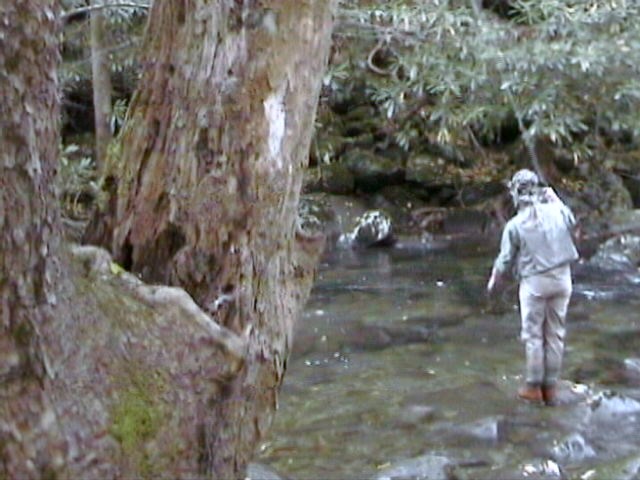
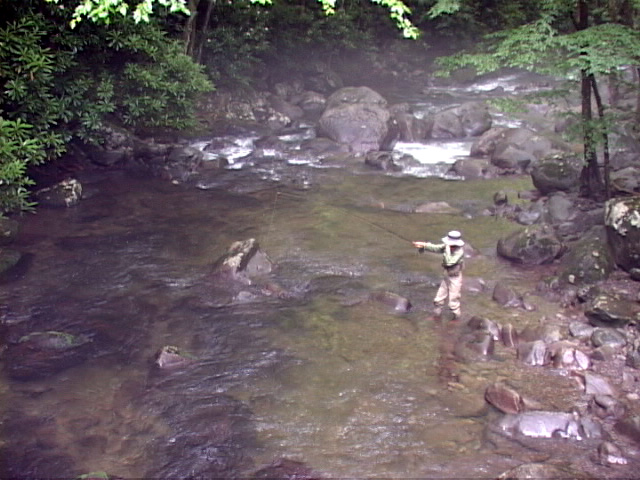
hidden under the tree in this
image but she is in a perfect spot
to catch a rainbow.
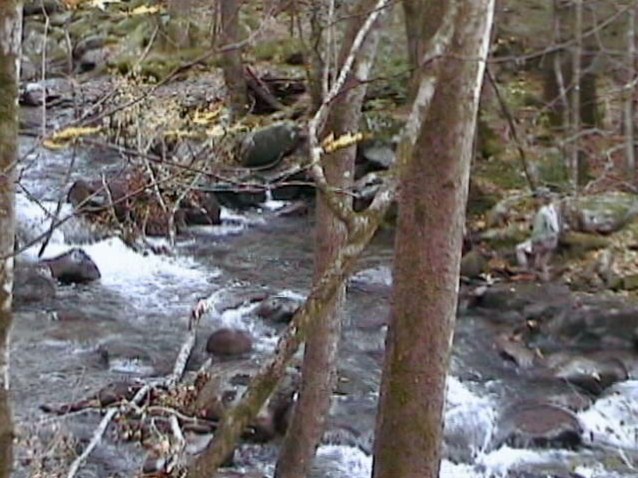
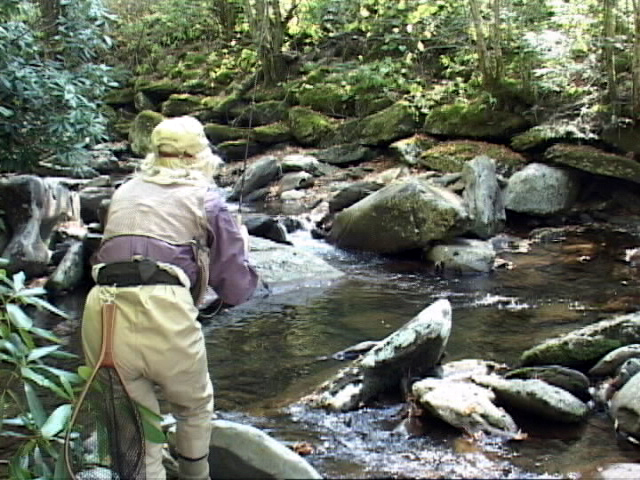
pools usually hold trout that are
anticipating food.
second bridge over the Middle
Prong of the Pigeon River.
Description:
The Middle Prong of the Little Pigeon River is one of the parks most beautiful streams. Fishing pressure is low to moderate.
Stream Size:
We would classify this stream as a medium to large stream in comparison to other Great Smoky Mountain National Park streams.
Accessibility:
A road closely follows the first five miles of the stream from the entrance to the park near Gatlinburg, Tennessee. The lower portion of the stream (the first mile or two) gets a little too warm for the trout during the hot summer months. There’s not enough oxygen for the fish to feed aggressively if at all. During the summer fishing is usually better starting two or three miles upstream from the park boundary.
Species:
There may be a few brown trout in the lower section of the stream, but by far the great majority are rainbows. Starting at about the Ramsey Prong Trailhead located at the end of the road you will begin to catch some brook trout. The stream is stocked outside the park and it is possible that some of the trout may swim up into the stream inside the park.
Average Fish Size:
The average size of the fish in the Middle Prong of the Little Pigeon River is probably slightly less than that of most other streams of its size in the park. In certain parts of the stream and its tributaries, where the population of the fish is low, you may find some very large trout. This is true for the rainbow trout in certain areas and the brook trout in certain areas.
Difficulty:
From the Ramsey Prong Trailhead downstream, the Middle Prong is fairly easy to fish. Ample casting room can be found in most places. Upstream of the Ramsey Prong Trailhead, accessing the stream is more difficult but still fairly reasonable. Casting room naturally declines in the headwater area.
Tributary Streams:
Several streams make up the Middle Prong of the Little Pigeon River. One major one is Porters Creek. The main stream becomes much larger below the Porters Creek confluence.
Porters Creek:
Heading upstream, Porters Creek is the first major tributary stream that enters the Middle Prong. It seems to have a smaller population of trout but probably for that reason, it also usually has some very large rainbows. Is this due to the low pH.
About a mile of Porters Creek is accessible from a gravel road that runs along side it. From there upstream you can access the stream from a trail but it is fairly tough getting to the stream from the trail in most places.
Cannon Creek:
Cannon Creek is a very small tributary stream of Porters Creek with small rainbow trout. It’s accessible from Porters Creek.
Ramsey Prong:
Ramsey Prong, a tributary of the Middle Fork of Little Pigeon, can be accessed from the Ramsey Cascades Trail. Most all the trout in the Ramsey Prong tributary will be brook trout.
Buck Fork Prong:
Buck Fork is a very small brook trout stream that is a tributary of Ramsey Prong.
Chapman Prong.
Chapman Prong and Lost Creek form the headwaters of the Middle Fork of the Little Pigeon River. It’s a very small brook trout stream that is difficult to
access.
Eagle Rock Creek:
Eagle Rock Creek is a very small brook trout stream that contains brook trout but it’s very tough to get to. There are no well established trails.
Comments:
Most of the feeder streams, especially Porters Creek, has a higher than normal acid level. This limits the food supply and consequently the fish.
Copyright 2011 James Marsh