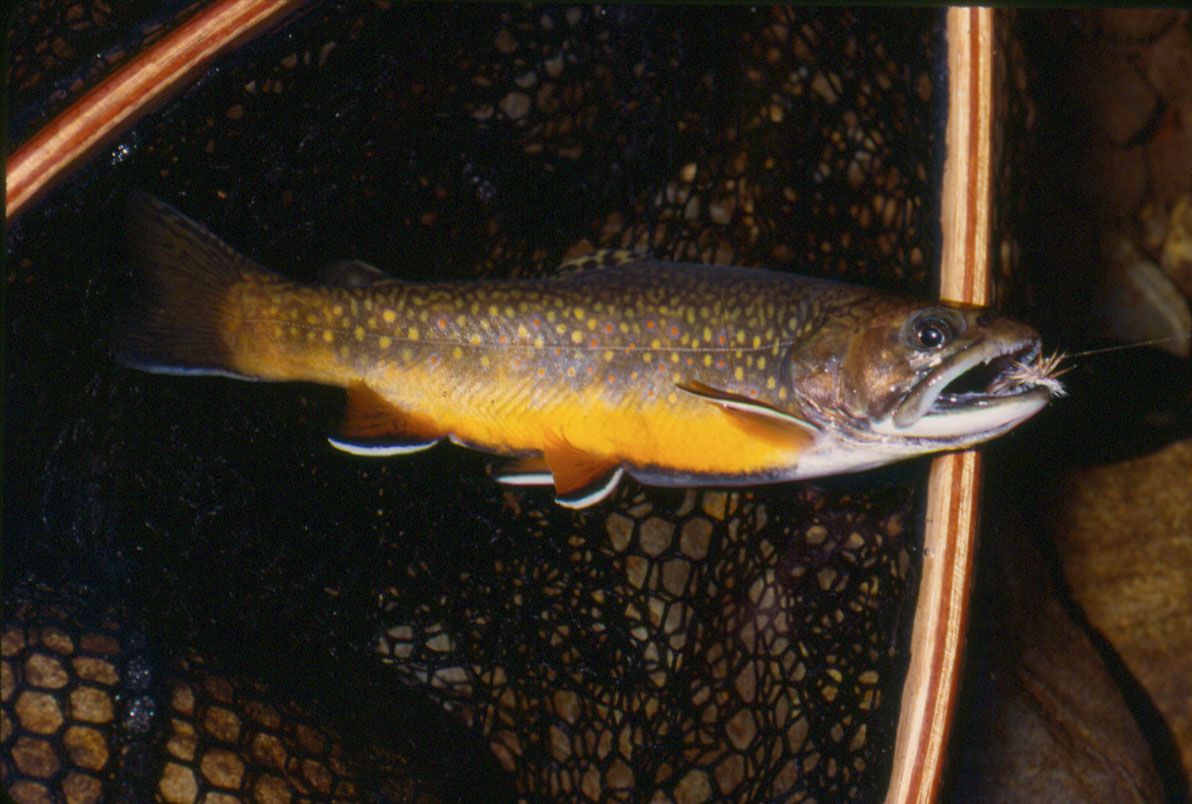

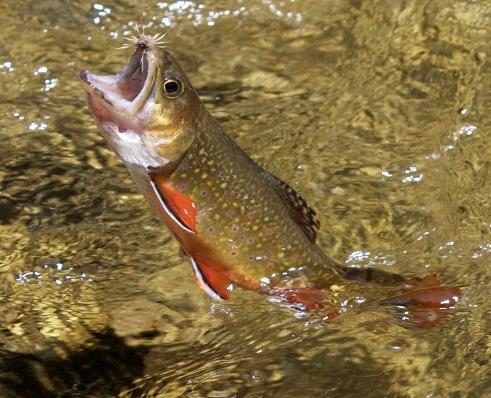
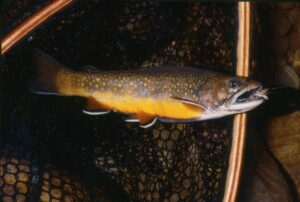


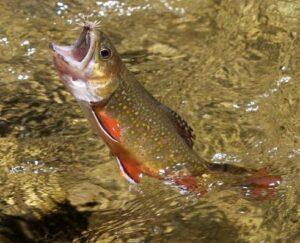
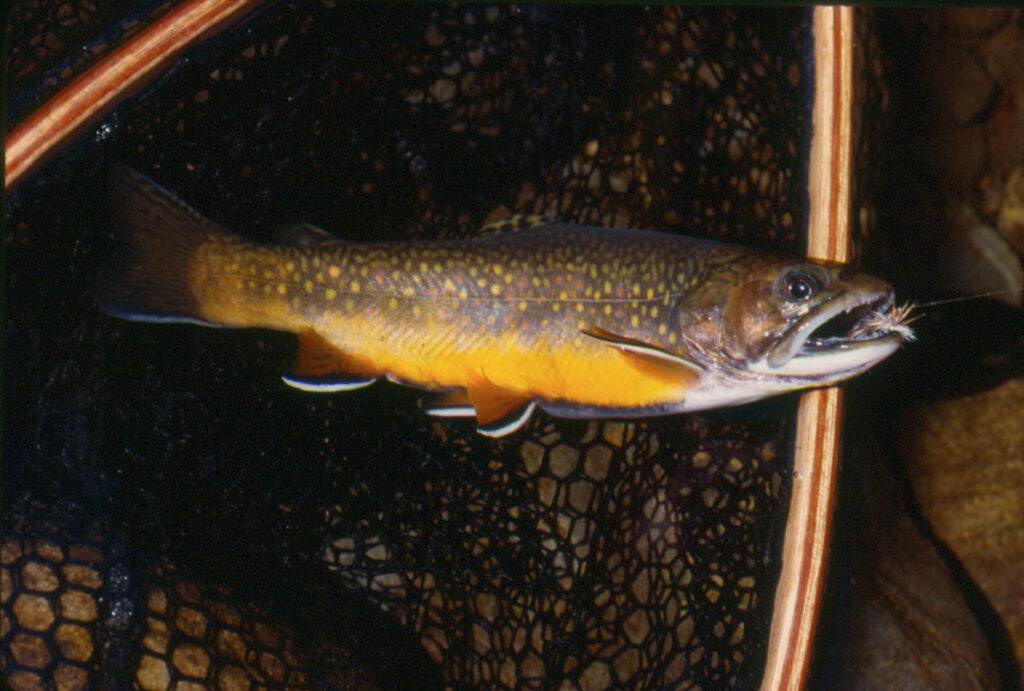
Native Southern Appalachian brook trout are brightly colored fish. We consider them the symbol of Great Smoky Mountains National Park’s fish.
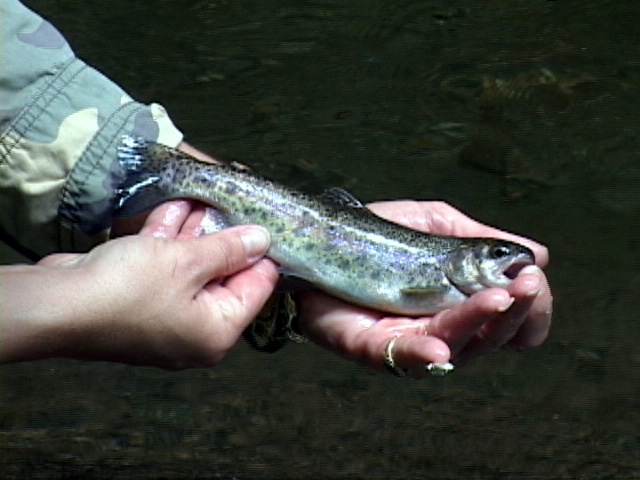
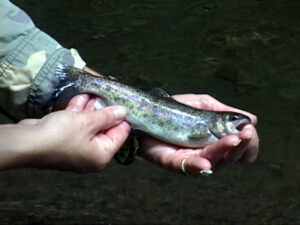
The rainbow trout is the most common trout in the park. They prefer the cool, fast flowing water that is found in almost all of the park’s mountain freestone streams.
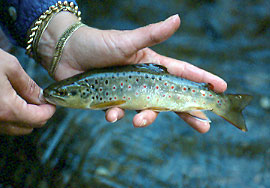
Brown trout can be found in many of the park’s streams. They are considered the most difficult to catch trout of the three species. The largest trout in the park are browns.
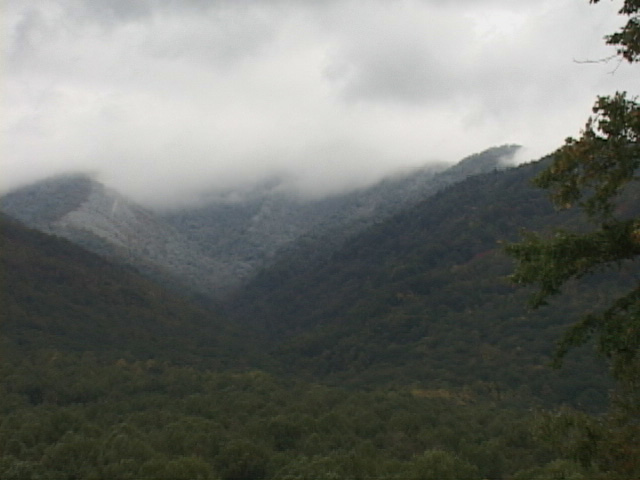
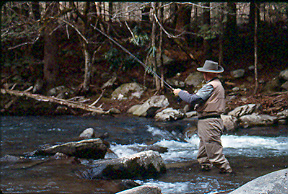
Each and every part of every stream is different.. You never see exactly the same thing repeated.
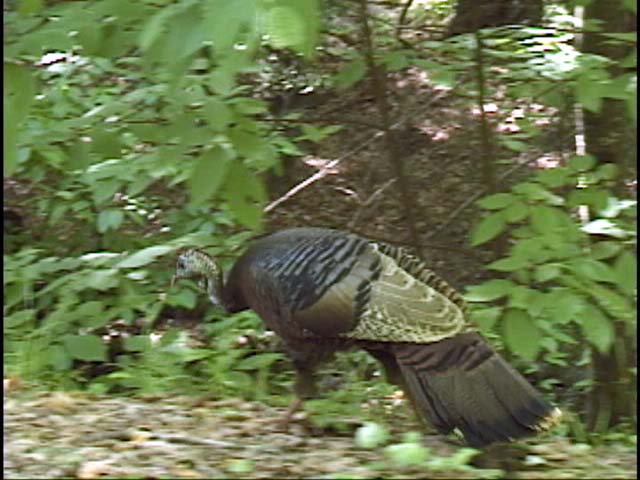
Wild turkeys are common in the park. They are beautiful birds that add to the joys of fly-fishing. They are spotted more often going to and from different fly-fishing destinations than they are during the time you’re actually fishing.
teaches the best methods and techniques for catching the brook trout. It was shot in the west, mid-west and eastern United States, including the park.
Click here to purchase & for more information
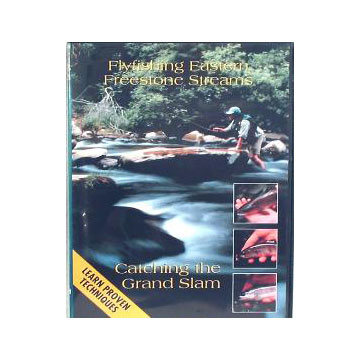
Fly-fishing Eastern Freestone Streams-Catching the Grand Slam is a DVD featuring author Ian Rutter. Ian catches all 3 species of trout in the park in one day and explains the different methods for each species.
Click here to purchase & for more information
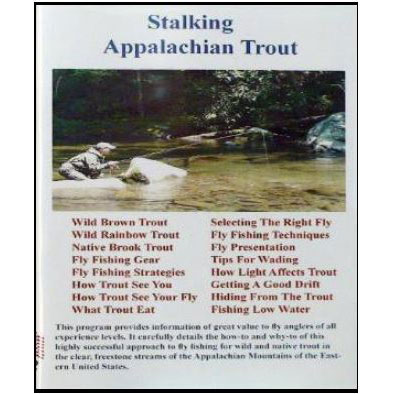
Small stream fly-fishing at its finest.. Host Christopher Tobias teaches you how to catch trout even under low, extremely clear water conditions.
Click here to purchase & for more information
Your Complete Guide to Fly Fishing the Smoky Mountains
Fly Fishing Report for April 22, 2024
Click below to see our new sister websites: www.perfectflystore.com
www.flyfishingyellowstonenationalpark.com
Welcome to fly fishing Great Smoky Mountains National Park. This website provides you with the information you need for fly fishing the beautiful streams in Great Smoky Mountains National Park. Lets break it down on what you can expect from this site. First, “What” is it that makes fly fishing the streams of Great Smoky Mountains National Park so enjoyable?
What (trout you can expect to catch):
In our opinion, Great Smoky Mountains National Park’s main fly fishing attraction is its native Appalachian brook trout. This is the only native species of trout in the park or the Southeastern United States, for that matter. Although they are technically not a trout, rather a member of the char family of fish, they are called trout in the world of fly-fishing. Wild, stream-bred rainbow and brown trout also thrive in the park’s numerous streams and are the most sought after species in the park. If you come to Smoky Mountains expecting to catch trophy rainbows, you may end up disappointed. We suggest you try Alaska for trophy rainbows. There are some very large brown trout in the Smokies. If you are only interested in catching large fish, then you may be wise to select a saltwater fishing destination and take up shark fishing. With the exception of some large may think that the small size is a product of the freestone streams in the Eastern United States where there aren’t any stocked trout, only wild fish, then they found small trout are typical of any eastern headwater mountain stream. In fact, if they have fished the headwaters of most western streams, those in the Rocky Mountains and those in the Cascades, they would have found that the average trout are on the small side. One reason is the pH of the water.
When (is the best time to catch trout in the park?)
There isn’t any particular best time for fly-fishing Great Smoky Mountains National Park. Trout can be taken throughout the year. This is probably the single most important advantage in fly fishing in the Southeastern United States. When other seasons are closed or when other trout waters are simply too cold to fish or even frozen over, you can usually catch trout in Great Smoky Mountains National Park. To often, fly fishing in characterized as poor, good or excellent when it should be characterized as difficult, average or easy. Those anglers who are only interested in fishing during the times catching fish is easy are just admitting that they really don’t know what they are doing. Being able to catch trout during the tough times should be just as, or even more rewarding, as catching them when it is very easy to do so. Trout can be caught during any of the four seasons of the year in the Smokies although different strategies and techniques are required.
Where (are the best places to catch the trout in the park?)
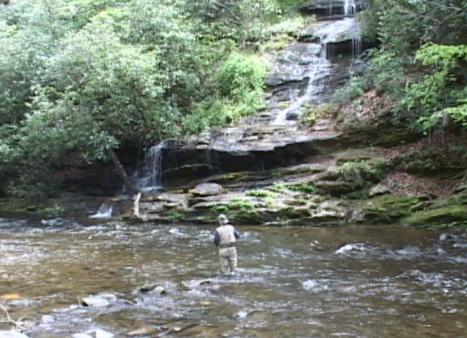
Smoky Mountain fly fishing is all about the waters. Take a look at our stream directory and you begin to see not just the numbers of different rivers and streams but that they are all first class, small stream wild trout fisheries.
Probably the first question a visiting angler asks when they arrive at the Smokies is “where do I fish”? Anglers who fish this region year after year have their favorite spots. But consider this, Great Smoky Mountains National Park is over 521,000 acres. There are over seven-hundred miles of streams that supports trout. It is one of the largest hardwood forest found in the United States. More than 650 miles of horse and foot trails carry you down crystal clear streams and into the wild beauty of flowers, autumn colors and giant trees in native forest,
How (to catch Smoky Mountain trout):
We emphasize the quality of the experience. Any fairly knowledgable angler can put on a strike indicator in most any body of water and catch a few trout. We prefer the visual aspect of fly-fishing. It’s much more rewarding and certainly requires more skill to catch a rising trout feeding on emergering aquatic insects than it does to watch a fly-fishing, just not when the fish are rising or when it is possible to catch trout on a dry fly. Insect activity is the key to this kind of quality fly-fishing. That’s where Smoky Mountains National Park”) is invaluable.
Fly Fishing Great Smoky Mountains National Park:
(Year-round Dry Fly Fishing) This new DVD (2 Disc Set) provides over 4 hours of information and instructions on fishing the dry fly for trout in the park. See all of the streams and witness the action. Learn everything you need to know in order to successfully catch brown, brook and rainbow trout on the dry fly. Fishing methods, strategies and much more are covered. Learn all about the insects and other food the trout eat and how to imitate it. Techniques for each season of the year are covered.
Click Here For More Information
Added Attractions:
The Smokies are a premier viewing area for black bears as well as many other species of wildlife. During your fly-fishing trip it’s possible to see bear deer,elk, fox, hawks, turkeys, wild hogs, and all types of small animals. The black bear cubs in the photo to your right are climbing up the tree to reach their mother in the top of the tree.
Check out our sister sites:
www.flyfishingyellowstonenationalpark.com – Yellowstone Park
www.perfectflystore.com – The Perfect Fly Store
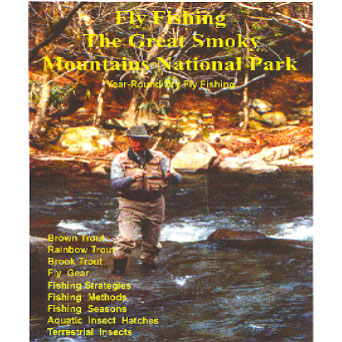
Fly Fishing Great Smoky Mountains National Park:
(Year-round Dry Fly Fishing) This new DVD (2 Disc Set) provides over 4 hours of information and instructions on fishing the dry fly for trout in the park. See all of the streams and witness the action. Learn everything you need to know in order to successfully catch brown, brook and rainbow trout on the dry fly. Fishing methods, strategies and much more are covered. Learn all about the insects and other food the trout eat and how to imitate it. Techniques for each season of the year are covered.
Click Here For More Information
Options For Selecting Flies:
1. Email us (sales@perfectflystore.com)
with the dates you will be fishing the park and we will send you a list of our fly suggestions. Please allow up to 24 hours for a response.
2. Call us at 800-594-4726 and we will help you decide which flies you need.
3. Call or email us (sales@perfectflystore.com) with a budget for flies and we will select them and get them to you in time for your trip.
Shipping is free in the U. S. for all
orders of any size. Orders over $50 are
shipped free via Priority Mail.
Great Smoky Mountains National Park “Perfect Fly” Selections
Best Smoky Fly Selection: 128 flies that imitate the most important foods trout eat in the Smokies..Save $36.50 over the regular price.
Click Here For Detailed Information
Spring and Summer Smoky Fly Selection: 82 flies that imitate the most important food during Sping and Summer season, save $14.60 over the regular price.
Click Here For Detailed Information
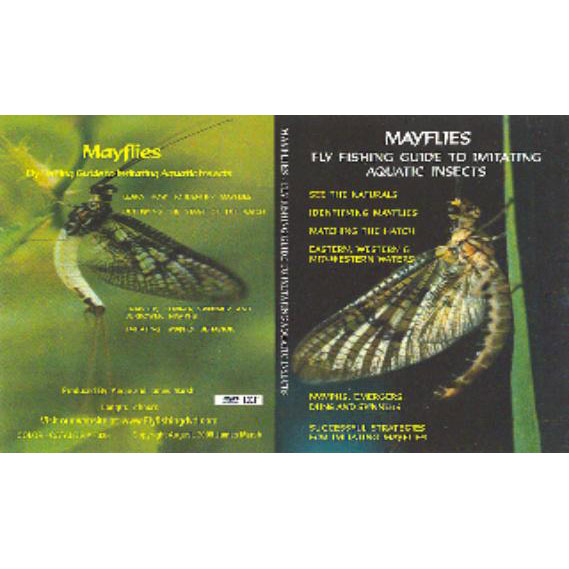
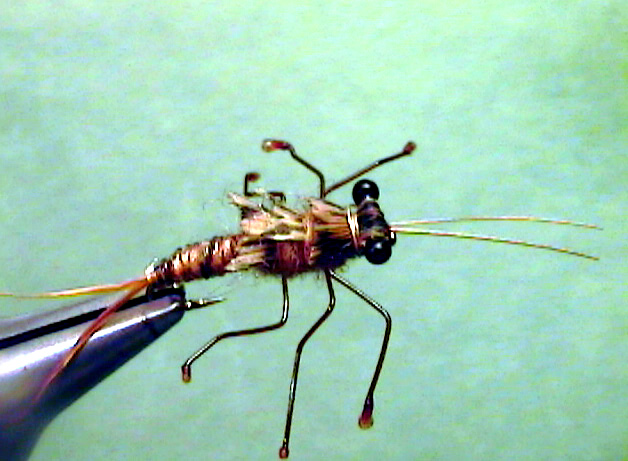
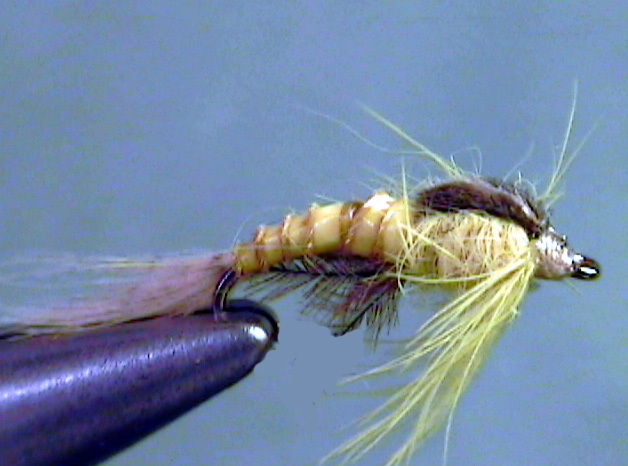
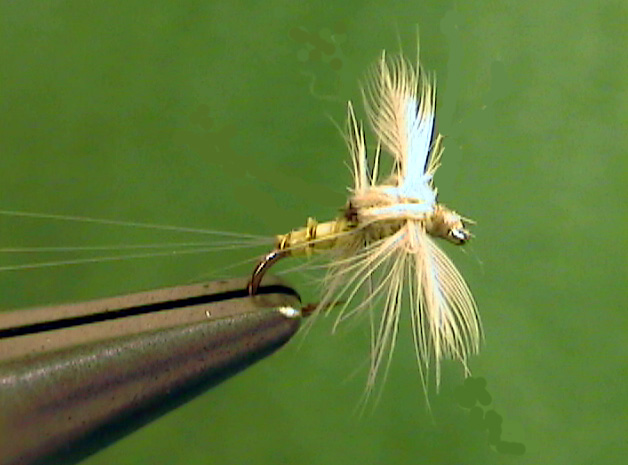
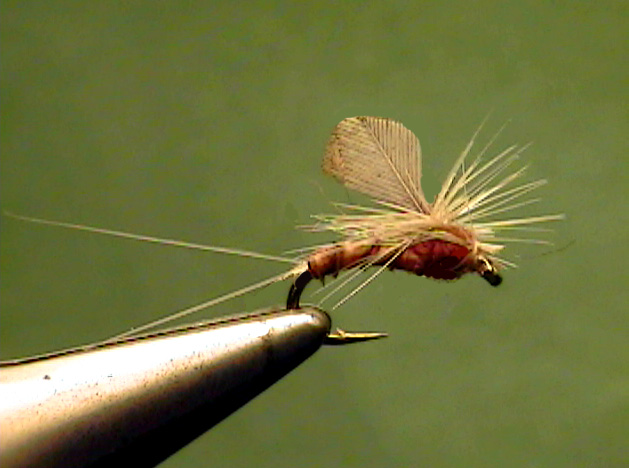
*Learn To Identify Mayflies
*Determine the Stage of the Hatch
*Learn to Imitate Their Behavior
*How, When and Where They Hatch
*Identify Clinger, Burrower, Crawler and Swimming Nymphs.
*See the Naturals.
*Learn to Match the Hatch
*Eastern, Mid-western & Western
*Nymphs, Emergers, Duns and Spinners
Available Now!
Click here for more detailed information on this DVD or to purchase it.
Free Perfect Fly “Fly Fishing Journal”
Please send us an email at:
(sales@perfectflystore.com) to receive
an e-subscription to the Perfect Fly “Fishing Journal”. It includes feature articles on blue-ribbon destinations, fly fishing techniques, and many other types of articles of interest to any fly angler. You can opt out at any time. If you decide you don’t want to receive our information, just change your status by emailing us again.