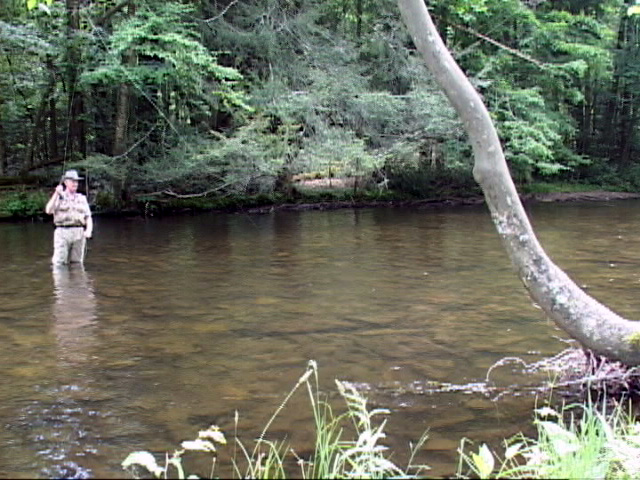
in Cataloochee Creek than many
others in the park. This makes the
stream slightly more difficult to fish
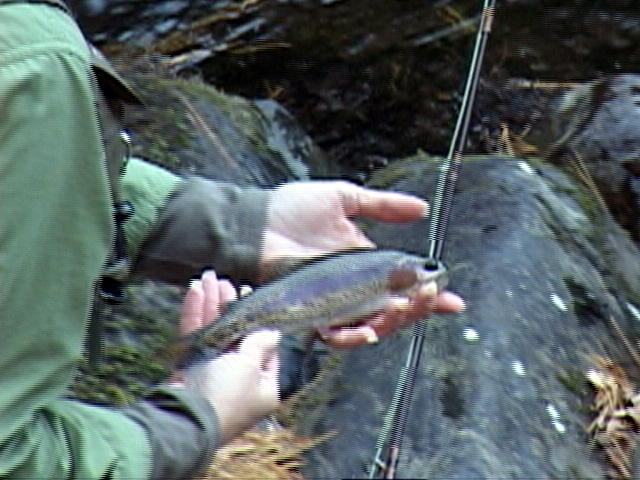
that are somewhat common in
Cataloochee Creek. It’s also a great
brown trout stream. It flows through
one of the most secluded valleys in
the park that’s accessible by
automobile.
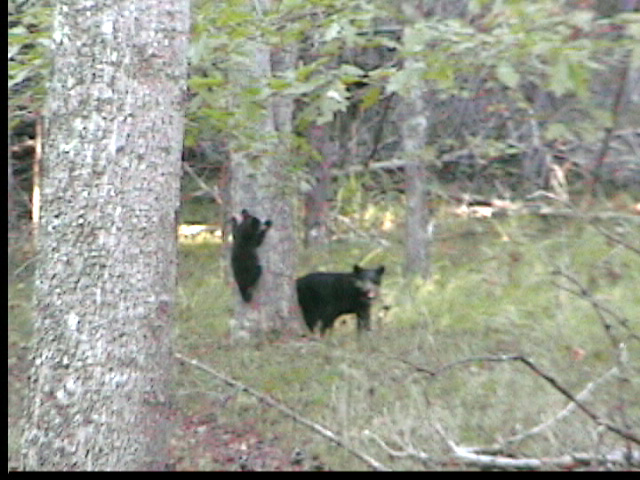
Cataloochee Valley as well as
many other types of wildlife
including elk.
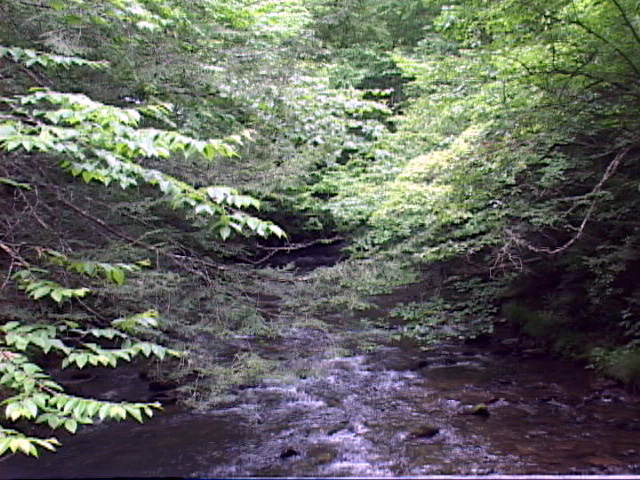
tributaries of Cataloochee Creek.
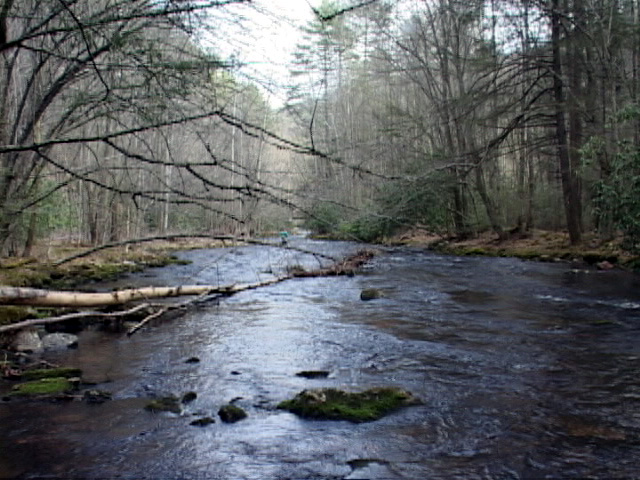
large stream as you can see.
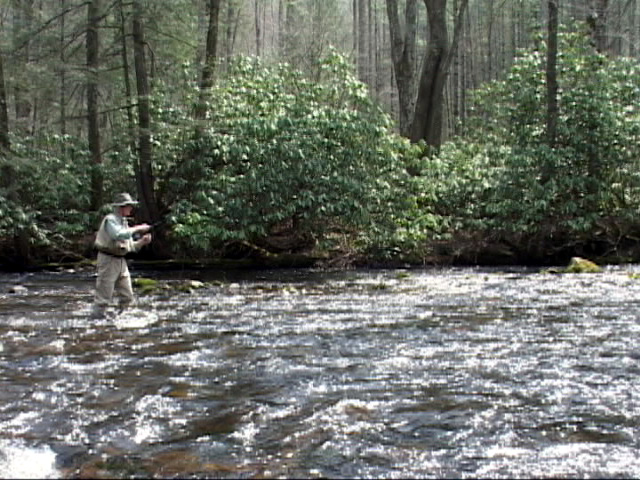
catching fish in this stream easier.
Notice the clear water below.
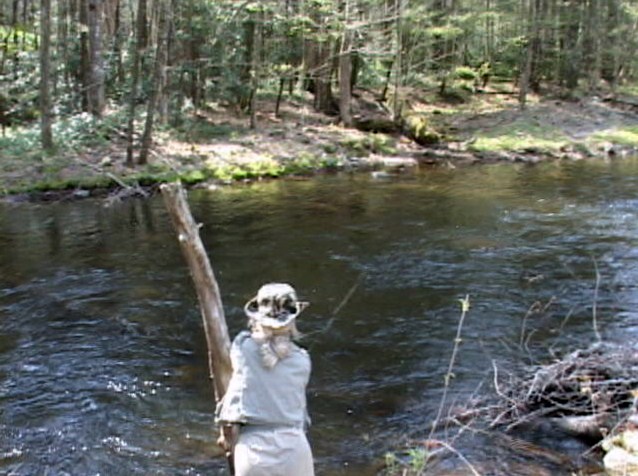
That makes presentation more
important than it is fishing rough
pocket water. It also means you
need better imitations of the
naturals. The stream and
tributaries do have their fair share
of pocket water.
Description:
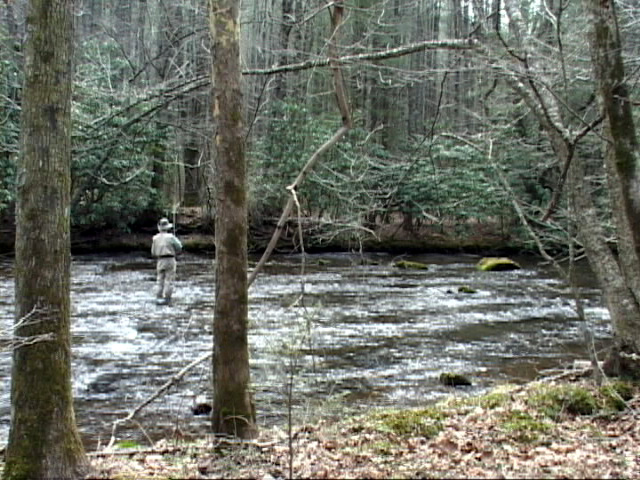
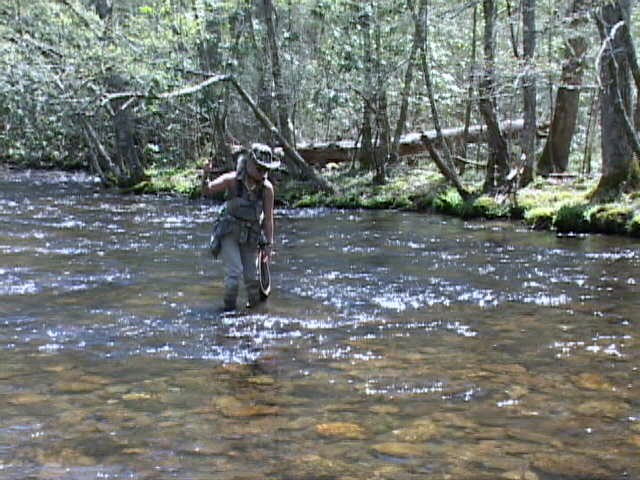
Cataloochee Creek is a very good Great Smoky Mountains National Park trout stream. It lies in one of the most beautiful sections of the park. It’s located in the Cataloochee Valley in the very remote northern portion of the park. This valley cannot be mentioned without mentioning elk. The park has reestablish elk in this portion of the park because it is in a very remote area. Many may not be aware of the fact that at one time elk were plentiful in the Great Smoky Mountains. They were hunted out in the mid eighteen hundreds.
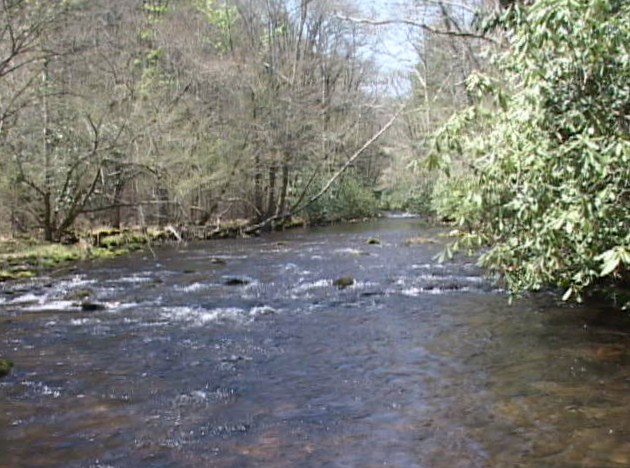
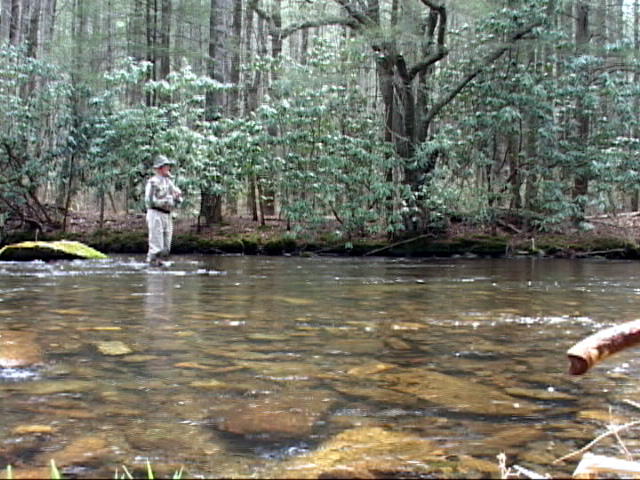
Cataloochee Creek is as beautiful as a trout stream can get. It has long riffles, some large pools and pocket water. It also has the classic pool, riffle, and run trout stream configuration. In places it reminds me of the Beaverkill.
Stream Size:
We would classify the size of this stream as “large” when compared to other streams in Great Smoky Mountains National Park, but it’s still a small stream as compared to other trout streams nationwide. The stream flows for about eight miles inside the park’s boundaries. It eventually empties into Walters Lake on the Pigeon River just outside the park.
Accessibility:
Accessibility of Cataloochee Creek is very good once you get there. Getting there takes a while. It’s located miles from Maggie Valley which is the closest area of any appreciable population. Cove Creek Road accesses the valley. It can be accessed from Interstate 40 at Exit 20. It’s about ten miles along Cove Creek Road to the Cataloochee Valley. There’s another way to get there, but it’s not worth it unless you want to visit other areas along the 25 mile plus dirt road route.
Once you are there, you will find access to the lower portion of the stream easy. Much of it is followed closely by a road. The portion of the stream is a short distance from the road but still very easy to access. Not far above the campground, the stream splits into its main tributaries, Palmer and Caldwell Fork.
Species:
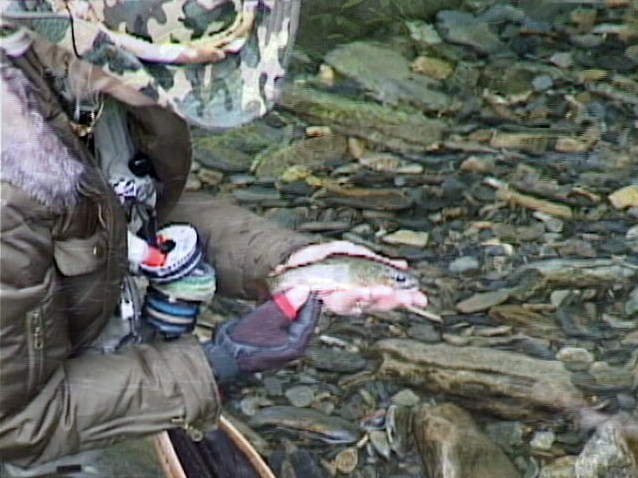
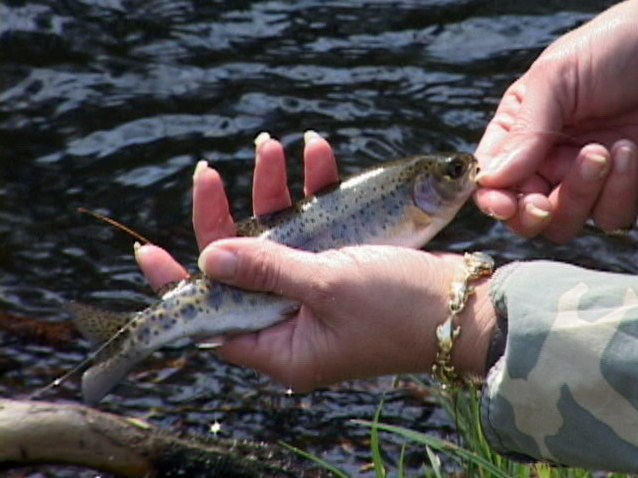
Both brown and rainbow trout make up the population of Cataloochee Creek.
Average Fish Size:
The trout average about as large as they do anywhere in the park with only a few exceptions. It’s a very good place to catch a large brown trout.
Popularity:
The stream gets a little pressure in the early summer and early fall seasons, however, It’s more from the campers than anglers. Most any other time you will have access to all the water you want out of sight of other anglers.
Difficulty:
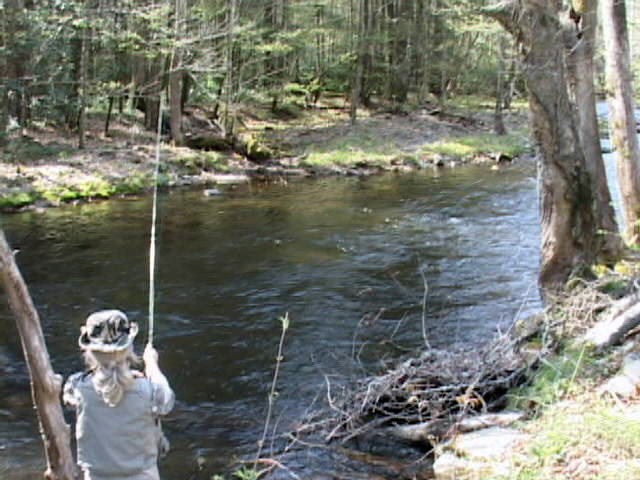
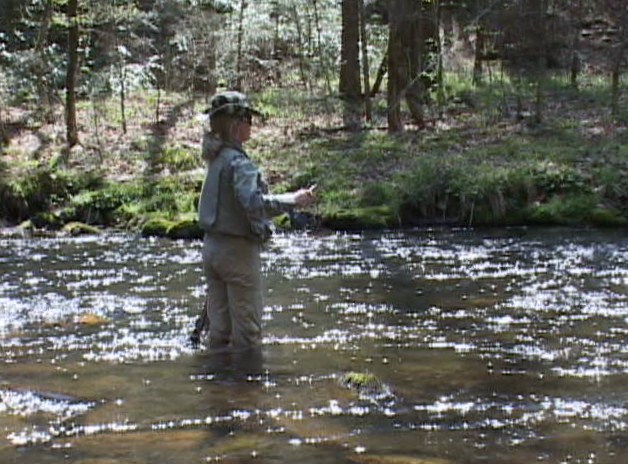
The stream is a pleasure to fish. In many places it fishes like a picture perfect Western trout stream. It’s fairly easy to cast in most places and fairly easy to get around in the stream.
Tributary Streams:
Cataloochee Creek has several tributary streams that contain trout.
Palmer Creek:
Palmer Creek is a major tributary stream to Cataloochee Creek. Rainbow trout are common in Palmer Creek but both browns, rainbows and some brook trout exist in the lower portion of the stream. Brook trout begin to be a common catch above the Pretty Hollow Creek confluence.
Pretty Hollow Creek:
Pretty Hollow Creek is a tributary stream of Palmer Creek. Pretty Hollow Gap Trail provides access to this stream. Campground #39 is a good place to camp if you are interested in fishing this small stream.
Lost Bottoms Creek:
Lost Bottoms Creek is a tributary stream of Palmer Creek. It flows into Palmer about two miles above its confluence with Cataloochee Creek. It contains some rainbow trout in its lower portion but most of the stream has a very good population of brook trout. Campground #39 is a good place to camp if you are interested in fishing Lost Bottoms Creek for brook trout.
Caldwell Fork:
Caldwell Fork is a small tributary stream of Cataloochee Creek. It flows into Cataloochee Creek near the campground. The lower part of the stream contains mostly rainbow trout and a few brown trout. Its uppermost parts contains brook trout. The stream can be accessed from Caldwell Fork Trail that follows the stream. Those that want to camp in the backcounty should stay at campsite #41 if they wanted to fish the upper portions of the stream. Den Branch, McKee Branch, and Double Gap Branch are all very small tributaries of Caldwell Fork.
Rough Fork:
Rough Fork is the other major tributary stream to Cataloochee Creek. Part of this stream runs through beautiful meadows and part of it through hardwood forest. The stream can be accessed from the Rough Fork Trail. Campsite #40 is located in its upper portion. Most of the trout are rainbows.
Little Cataloochee Creek:
Little Cataloochee Creek is a tributary stream to Cataloochee Creek. This medium to small size stream has both brown and rainbow trout. Its uppermost portions has a population of brook trout. The stream has several tributary streams that form its main portion. Coggins Branch, Conrad Branch, and Andy Branch join the Little Cataloochee Creek. These streams have mostly small rainbow trout. Correll Branch and Woody Branch, both tributary streams, have brook trout.
Comments:
This is one of, if not the best trout streams in the park in all respects. It takes a short drive to get there, even from Maggie Valley, North Carolina, but it’s well worth it. It’s a great place to camp and fish. Not far above the campground it’s possible to catch a grand slam in the same area of the stream. Brook, brown and rainbow trout are present.
Copyright 2011 James Marsh